
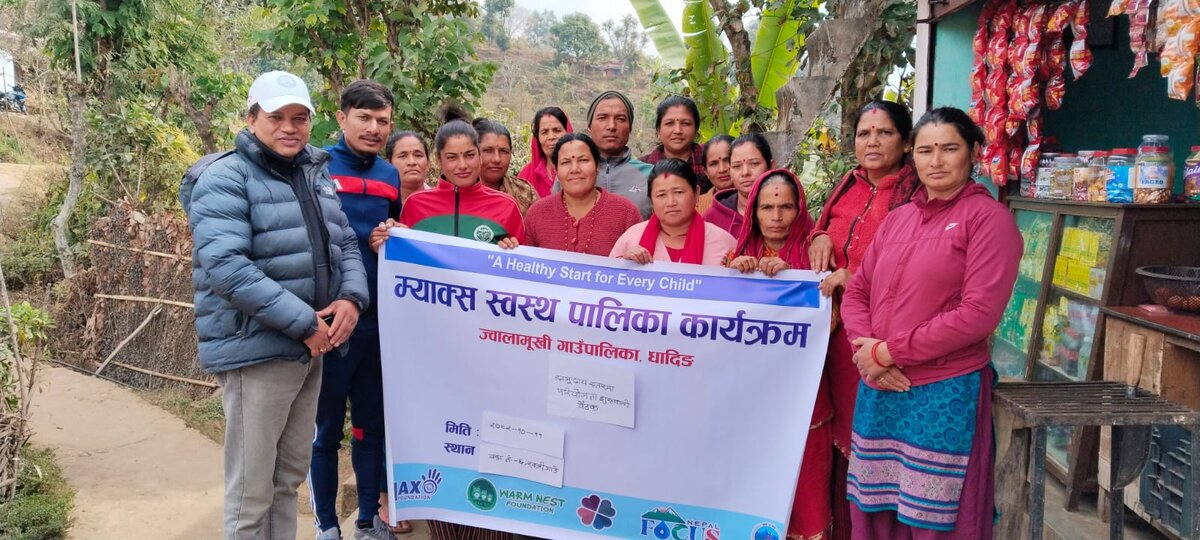
Max Swastha Palika: Advancing a Scalable, Municipality-Led Model to reduce child stunting in Nepal
Nepal has demonstrated strong commitment to improve child and adolescent nutrition through national frameworks such as the Multisector Nutrition Plan 2018-2022 (MSNP), the National Health Policy 2019 and sectoral strategies spanning health, WASH, food systems, and adolescent wellbeing. Under Nepal's federal structure, local governments are now mandated to lead service delivery and planning for these sectors. However, translating national commitments into coordinated, evidence-based action at the municipal level remains a key challenge.
The Max Swastha Palika (MSP) programme responds to this gap by strengthening municipal systems to deliver integrated WASH, nutrition, and health services through community systems, market-based solutions, and evidence for scale. Currently piloted in Jwalamukhi Rural Municipality (JRM), Dhading District, MSP demonstrates how nutrition outcomes can be improved when communities, local governments, and markets work together within an enabling policy environment.
Policy Alignment and Scale-Up Potential
Nepal's nutrition policy framework strongly supports integrated and decentralized approaches. MSNP emphasizes multisector coordination, preventive action, and local government leadership principles that are central to MSP. The shift of planning and budgeting authority to municipalities under federalism creates a unique opportunity to institutionalize Swastha Palika models that are locally owned yet nationally aligned. MSP fits within this framework by embedding nutrition-sensitive interventions within municipal planning, budgeting, and monitoring systems. Rather than delivering services directly, MSP strengthens local systems and creates standardized processes, indicators, and guidelines that municipalities can adapt. MSP develops indicators to declare as swastha palika in leadership of rural municipality aligning with national policy and framework. This system-strengthening approach combined with evidence generation, positions MSP as a scalable model for other local governments seeking practical pathways to meet national nutrition targets.
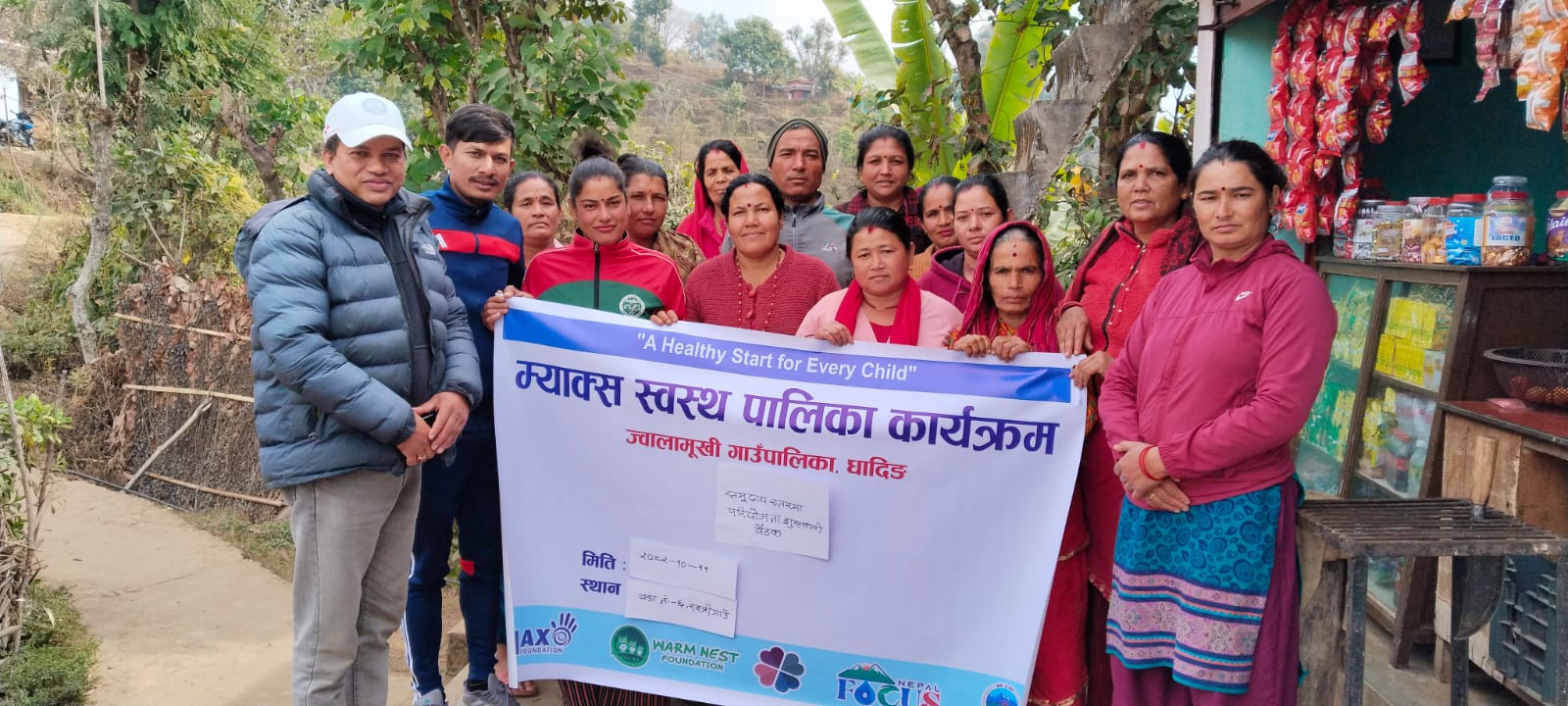
A Community-Owned, Market-Driven Approach
At its core, MSP is designed as a community-owned model that moves beyond project dependency. Drawing proven experiences from Bangladesh and Ethopia, MSP addresses the root causes of child and adolescent undernutrition through integrated action across health, WASH, food and nutrition security and maternal and adolescent health. A defining feature of MSP is its market-driven approach. By engaging local entrepreneurs particularly women-led enterprises, MSP supports the delivery of nutrition and WASH related sensitive services such as nutritional products, safe water, sanitation, and hygiene products through local markets. This approach strengthens livelihoods while ensuring that essential services remain accessible beyond project timelines.
MSP programme has conducted baseline assessment across all wards of JRM, provides a credible evidence base to guide municipal planning. Data verification carried out jointly with Jwalamukhi Rural Municipality reinforced trust in the findings and strengthened local for sustainable and community-led action.
Stakeholder Engagement for Scale-up
MSP's scale-up strategy is grounded in early and meaningful stakeholder engagement. Jwalamukhi Rural Municipality has played a central leadership role, hosting a municipality-owned inception workshop that brought together representatives from sectoral staff, communities highlighted vertical alignment and growing interest in positioning JRM as a demonstration municipality. National-level engagement through a multi-stakeholder inception event held in Kathmandu further expanded MSP's scale-up ecosystem, connecting federal and provincial government actors, development partners, academia, private sector representatives, and women entrepreneurs. These platforms helped situate MSP not as a stand alone project, but as a replicable model. Potential scale-up partners include local and provincial governments, women entrepreneur networks, social enterprises delivering WASH and nutrition services, and development partners supporting learning and evidence. Within this ecosystem, Max Foundation plays a catalytic role convening stakeholders, supporting evidence generation, facilitating cross-learning, and helping translate community-level innovation into scalable systems change.
MSP deliberately links learning platforms such as inception workshops and stakeholder consultations to municipal planning and policy processes. One of the most significant outcomes of this approach is the ongoing drafting of the Jwalamukhi Swastha Palika (Healthy Village) Guideline. This guideline formalizes MSP principles into a municipal framework, defining standards, roles, and certification processes for swastha palika. By embedding MSP within a locally endorsed guideline, JRM is transforming a pilot initiative into an institutional mechanism laying the foundation for sustainability and scale.
By aligning with national policies, strengthening municipal systems, and fostering community-owned, market-driven solutions, MSP offers a promising pathway for scaling swastha palikas across Nepal. As the programme evolves, its greatest contribution may lie not only in improved nutrition indicators, but in showing how local systems can drive lasting change.
Related Stories
Breaking the Silence Around Disability and Malnutrition
In many rural communities of Bangladesh, illness and disability are often accepted as fate. The Healthy Village Urban programme is working to change exactly that reality.
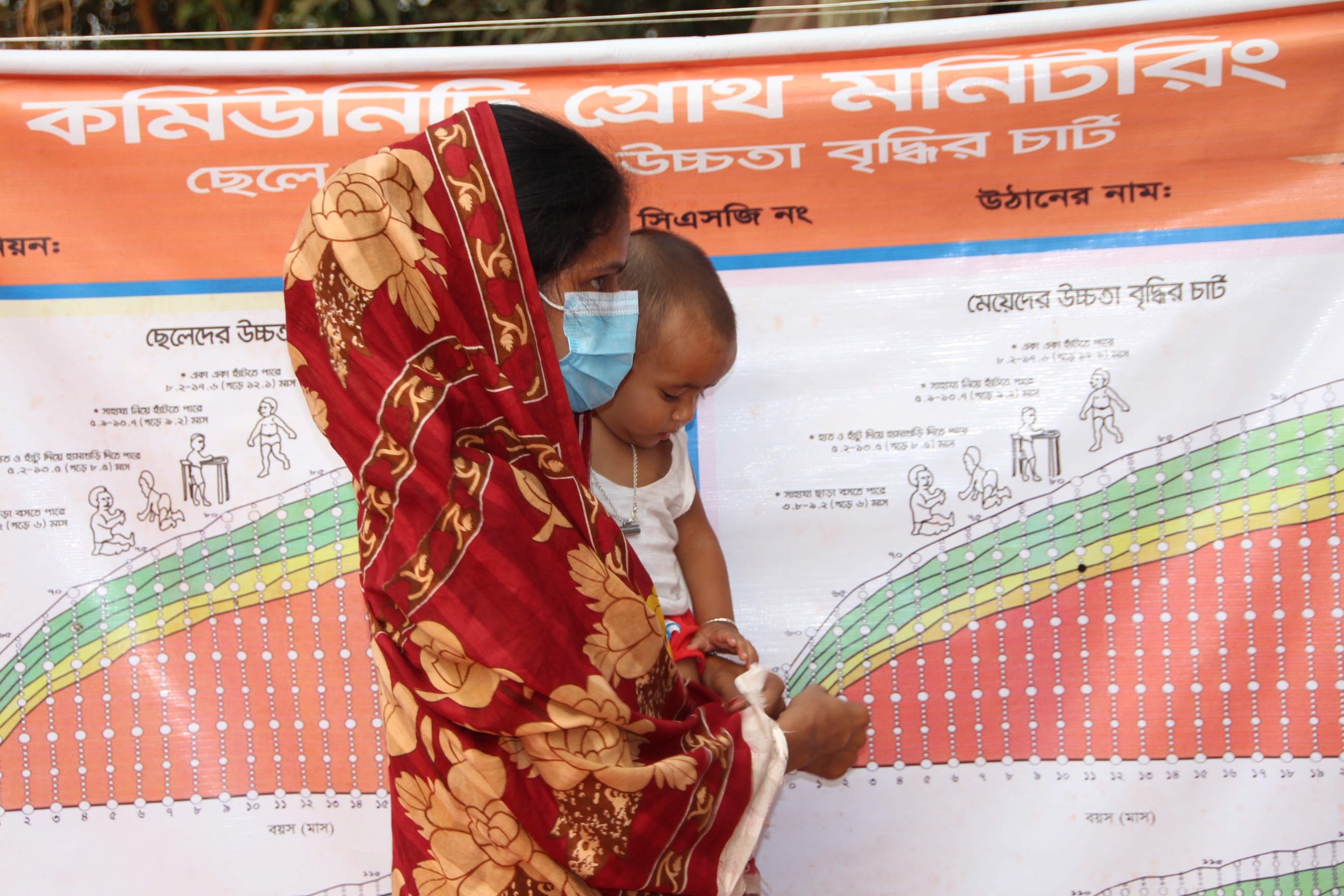
Healthy Village: How an Integrated Community Model Is Reducing Child Stunting at Scale
The Healthy Village model, pioneered in Bangladesh, integrates WASH, nutrition, and maternal health into a community-led approach. Stunting fell from 51% to 25% in three years.