
Institutionalising Innovations: Harnessing Public-Private Partnerships for Community-Based Nutrition Service Delivery
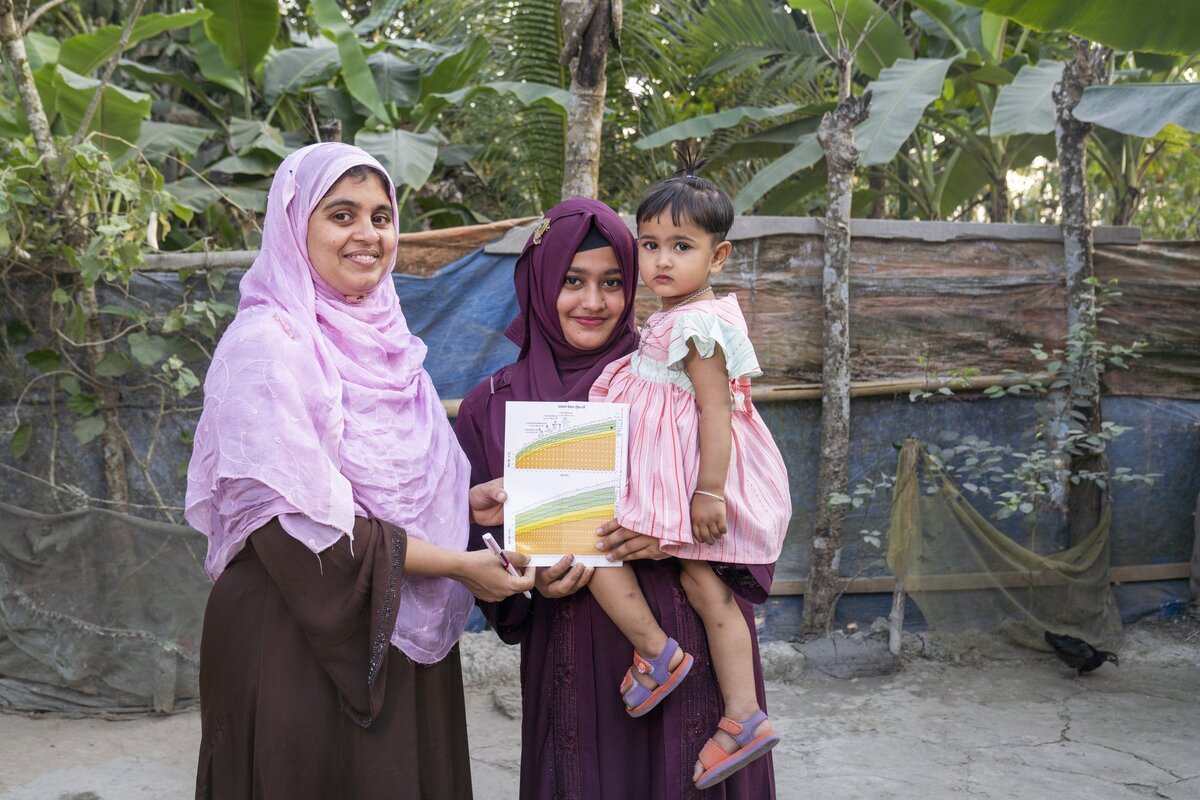
Max Foundation is working with the Institute of Public Health Nutrition (IPHN), which operates under the Directorate General of Health Services (DGHS) and the Ministry of Health and Family Welfare, Government of Bangladesh, to develop dedicated Community Nutrition Service Guidelines for the entrepreneurs at the heart of its Healthy Village programme. The aim is to anchor a market-based, entrepreneur-led delivery model in national standards, so that a proven innovation can continue to support lasting improvements in child health across Bangladesh.
A model built for markets
While the government is the constitutional duty-bearer for public health and nutrition, NGOs have historically extended services into the places the state cannot yet reach. Max Foundation's model is particularly concerned with bridging this last-mile gap by developing markets that encourage adoption of, and demand for, healthy practices. But to make that model sustainable, it is essential to work through the institutions capable of embedding good practice into the permanent planning of the state.
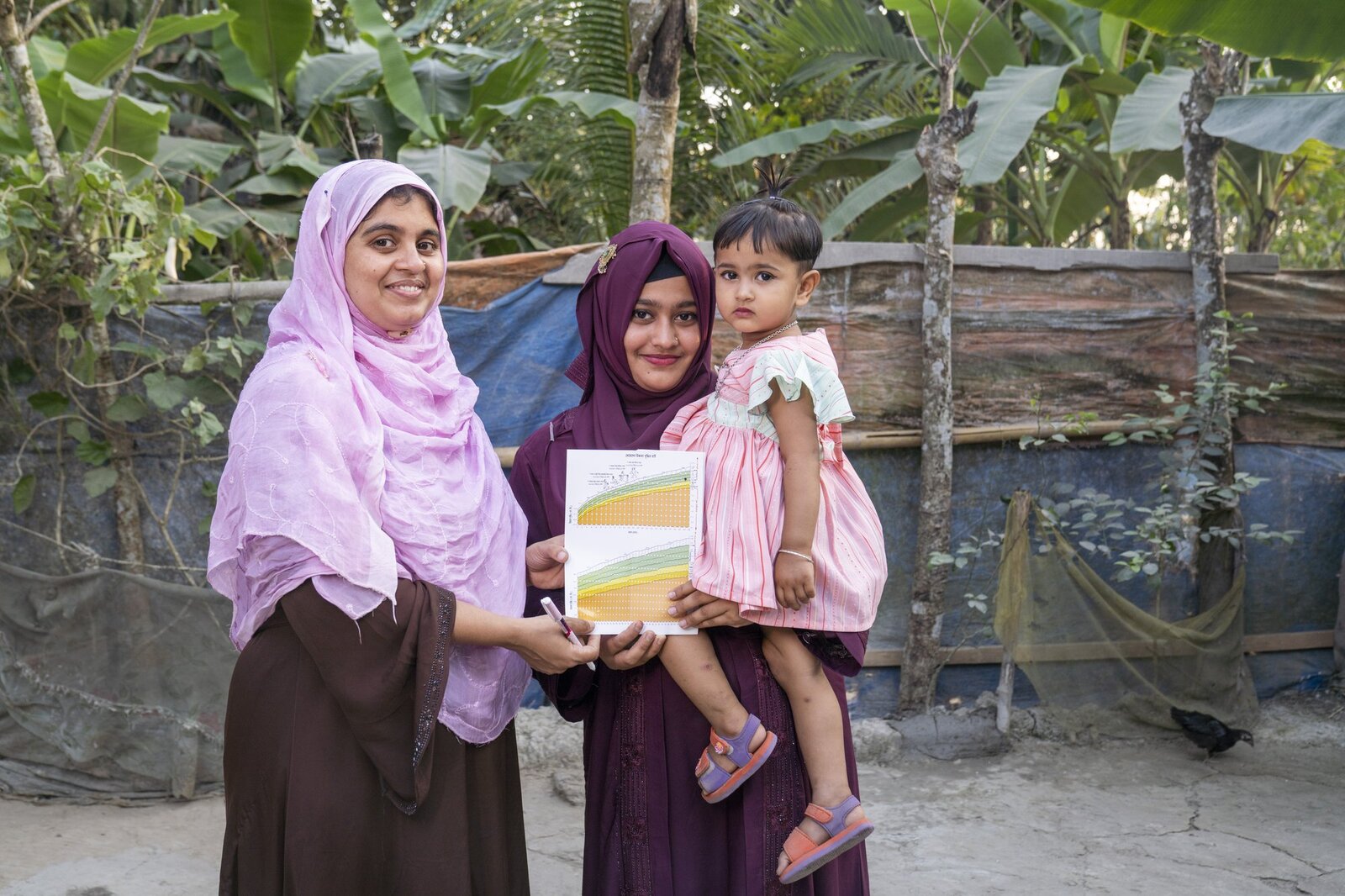
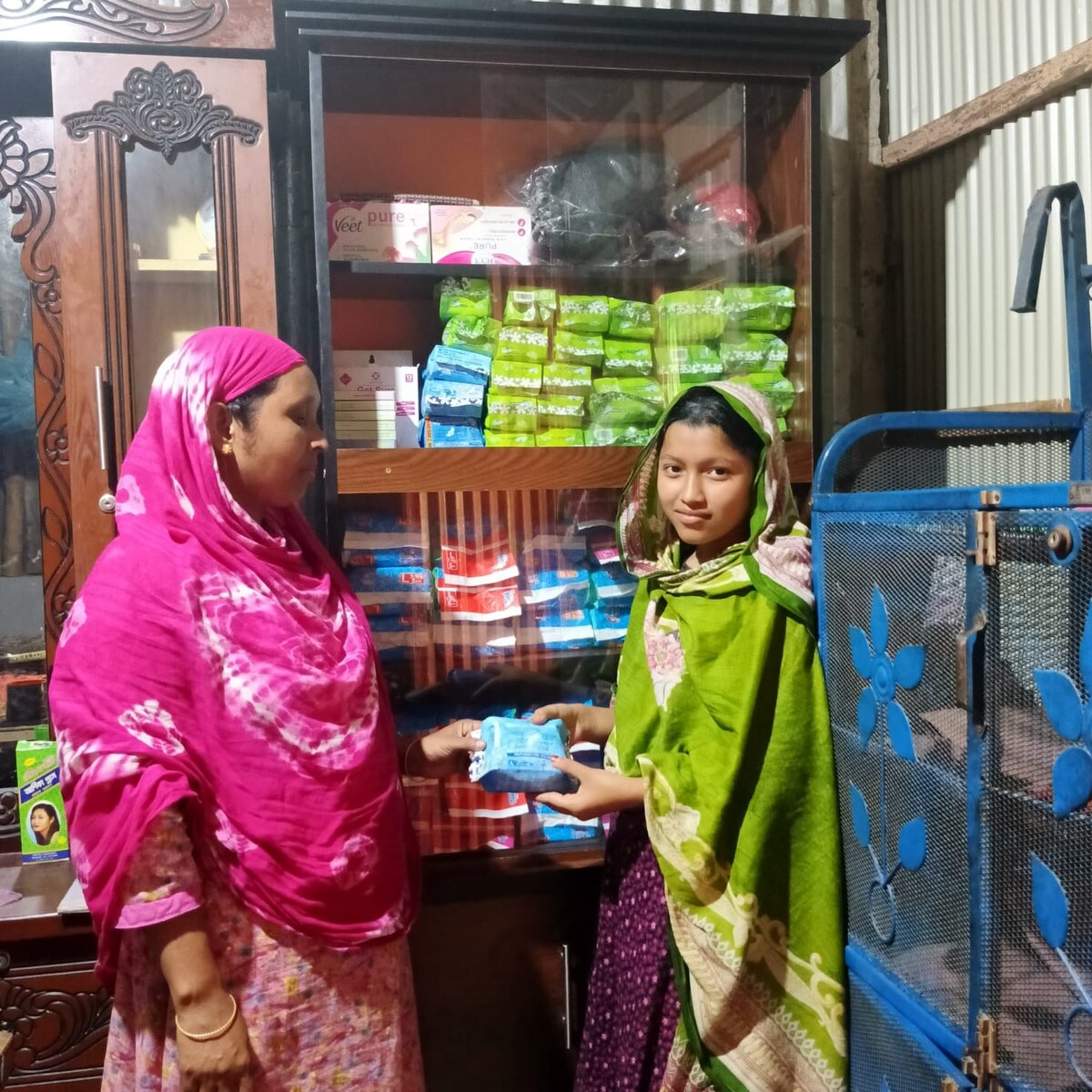
Under its Healthy Village programme, Max Foundation trains local entrepreneurs who act as both trusted sources of health knowledge and market actors for affordable, healthy products. Selected from within their own communities, these entrepreneurs already hold close relationships with households, women, adolescents and families. Through innovations such as the Entrepreneurship Lab and EntreSoft, Max Foundation connects them to private-sector supply chains for essential goods and to nutritional counselling for pregnant women and young mothers.
Anchoring practice in national standards
For a model like this to be credible at national scale, the entrepreneurs' practice has to rest on national standards, which is why Max Foundation works to encourage system uptake of its innovations based on our generated evidence. In collaboration with the IPHN, Max Foundation is developing dedicated Community Nutrition Service Guidelines for Healthy Village Entrepreneurs. The collaboration has been formalised through a Technical Advisory Group (TAG) and a Technical Working Group (TWG) convened by the IPHN, bringing Max Foundation together with the Bangladesh National Nutrition Council (BNNC), the Directorate General of Health Services (DGHS), the Institute of Nutrition and Food Science (INFS) at the University of Dhaka, and the National Institute of Preventive and Social Medicine (NIPSOM).
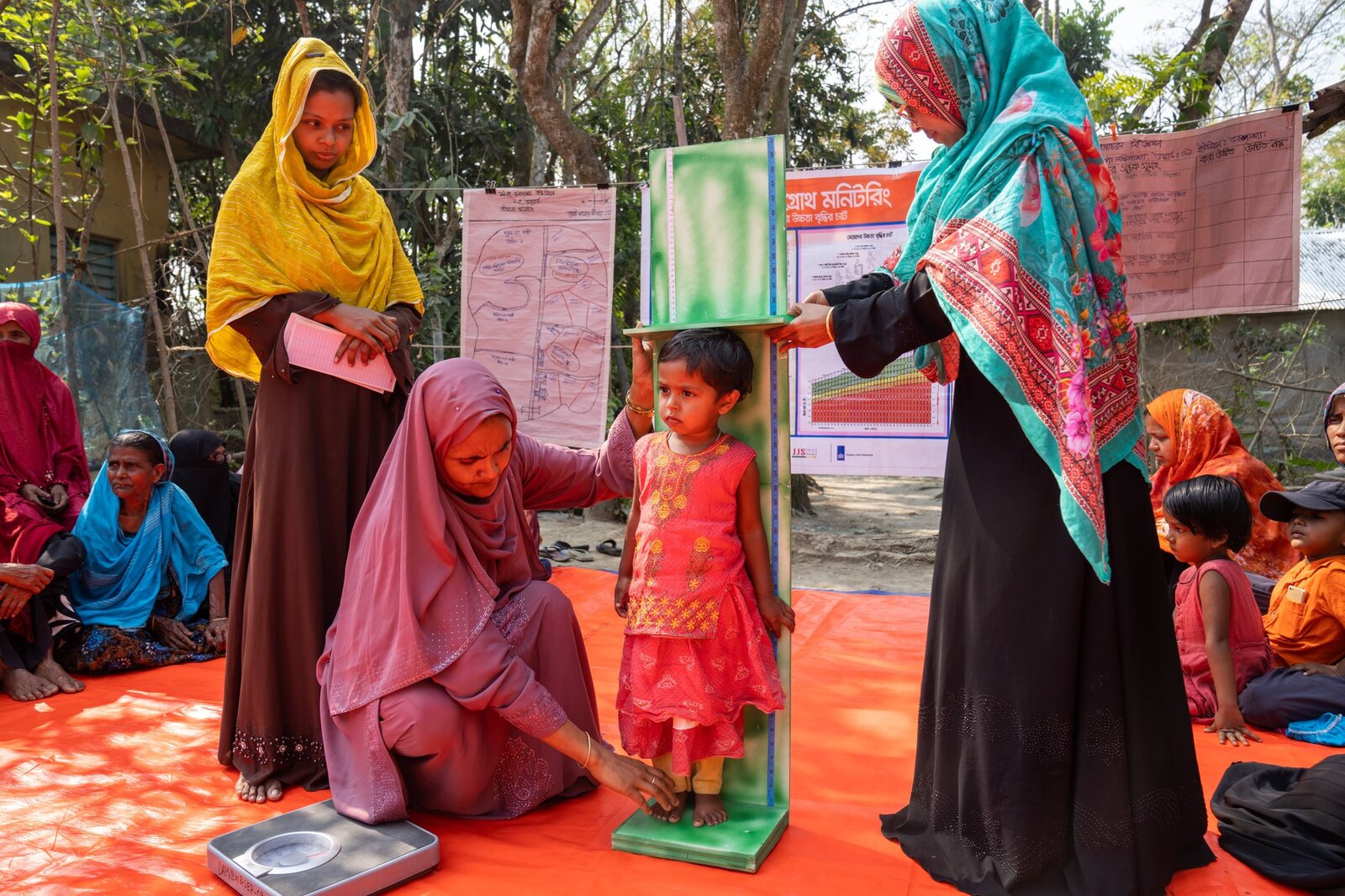
The guidelines will give strategic technical direction across all nutrition content the entrepreneurs deliver, from maternal nutrition, Infant and Young Child Feeding (IYCF), and breastfeeding and lactation support, to Growth Monitoring and Promotion (GMP), referral for the management of acute malnutrition, adolescent nutrition, nutrition for people with disabilities, and behaviour-change communication. These topics are being aligned with the National Nutrition Policy and situated within the Second National Plan of Action for Nutrition (2016–2025). The guidelines are being built through a joint process: the two partners endorse the concept, the Technical Working Group reviews existing IPHN guidance and sets competency standards for the entrepreneurs, drafts the guidelines and accompanying training tools, and the IPHN validates and endorses the final standard.
Broadening the entrepreneur's role
The guidelines would extend what these entrepreneurs do, transforming them from individual business operators to community service facilitators. Working alongside community clinics, family welfare centres and union parishads, they could take on recognised roles as community nutrition promoters, breastfeeding support facilitators, growth-monitoring assistants, referral and follow-up coordinators, and local government nutrition resource persons, all while sustaining their own livelihoods. The result is a cadre of community nutrition entrepreneurs who keep delivering counselling, screening and referral support as part of their social-business identity, long after any single programme has ended.
Aligning a market-based, entrepreneur-led model with government standards is how donor-funded innovation becomes permanent public capability.
Why this matters
That is why the collaboration with the IPHN matters. The micronutrient deficiencies and low diet quality that still shadow Bangladesh's nutrition statistics will only be resolved through community-led practice that are owned by the people who deliver it and by the national system that stands behind them.
Related Stories
Community Women Entrepreneurs in Urban Bangladesh: What Continues After the Programme Ends
A qualitative study by BRAC James P Grant School of Public Health and Max Foundation looked at the work of entrepreneurs at active sites of the Healthy Village Urban programme in northern Bangladesh, and at areas the programme had already left. The findings were presented at ICOPH 2026 in Bali, Indonesia.

Transforming Lives Through Safe Water: How MSE Is Powering a Rural Bangladeshi Dream
Access to safe and affordable water is not just a basic necessity, it is the foundation of health, dignity, and opportunity. In Bangladesh's rural and coastal regions, Max Social Enterprise (MSE) is working to turn hardship into hope.
Beyond the Blueprint: The Entrepreneurship Lab Is Cultivating a Market Ecosystem for a Healthier Bangladesh
Max Foundation's Entrepreneurship Lab is a dynamic ecosystem designed to bridge the gap between a business idea and a tangible impact, empowering entrepreneurs at every level to build market-driven solutions for Bangladesh's health challenges.