
Transforming Lives Through Safe Water: How MSE Is Powering a Rural Bangladeshi Dream
Access to safe and affordable water is not just a basic necessity, it is the foundation of health, dignity, and opportunity. In Bangladesh's rural and coastal regions, where salinity intrusion, groundwater depletion, and climate shocks threaten daily life, Max Social Enterprise (MSE) is working to turn hardship into hope.
Operating in Bangladesh, MSE provides safe, reliable, and affordable water through decentralised piped water systems designed specifically for rural and coastal communities. Founded and incubated within the innovation lab of Max Foundation, MSE has emerged as a leading example of social entrepreneurship proving that commercial viability and deep social impact can go hand in hand.
Water That Builds Health, Resilience, and Futures
Today, MSE operates more than 100 piped water grids, serving approximately 30,000 customers across rural and coastal Bangladesh, particularly in Barisal and Khulna. These water systems are engineered to withstand the realities of climate vulnerability, incorporating solar-powered pumps, energy-efficient technologies, and risk-mitigation measures to ensure continuity even in areas with unreliable electricity.
Beyond infrastructure, MSE takes a holistic approach to water security, integrating resource monitoring, rainwater harvesting, managed aquifer recharge, and climate-resilient design. With aspirations to become fully cashless, smart, real-time, and data-driven, MSE is demonstrating that rural water systems can be both technologically advanced and financially sustainable.
Most importantly, MSE's work goes far beyond pipes and pumps. The organization actively involves communities in the operation and maintenance of water systems through social marketing, training, and community workshops. This community-based approach builds local ownership, ensuring that water systems remain socially accepted, financially viable, and operational for the long term.
Empowering Women at the Center of Change
Gender inclusivity is central to MSE's mission. A significant portion of its workforce consists of women, with strong emphasis on training and developing women leaders in water service management and governance. Women are encouraged to take part in decision-making through water governance committees and community-based management structures—placing them at the heart of sustainable water solutions.
One such story is that of Hashi Akter.
Hashi Akter's Journey: From Survival to Stability
Hashi Akter is a resilient woman from Patuakhali, raising three daughters on her own after separating from her husband, who now lives in Dhaka. As the sole caregiver for her family, Hashi balances multiple roles working as a grid operator with MSE while also earning income through tailoring.
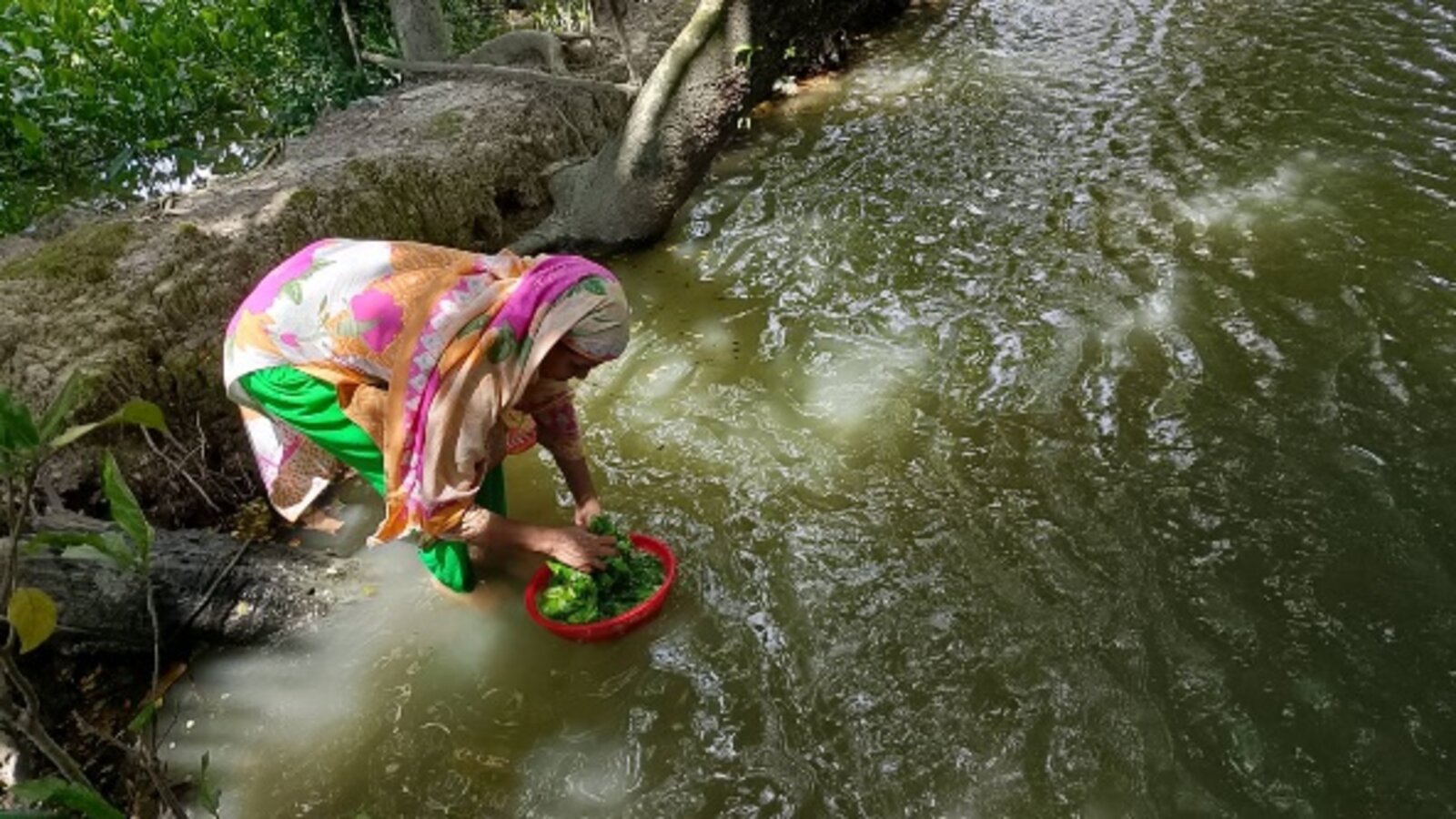
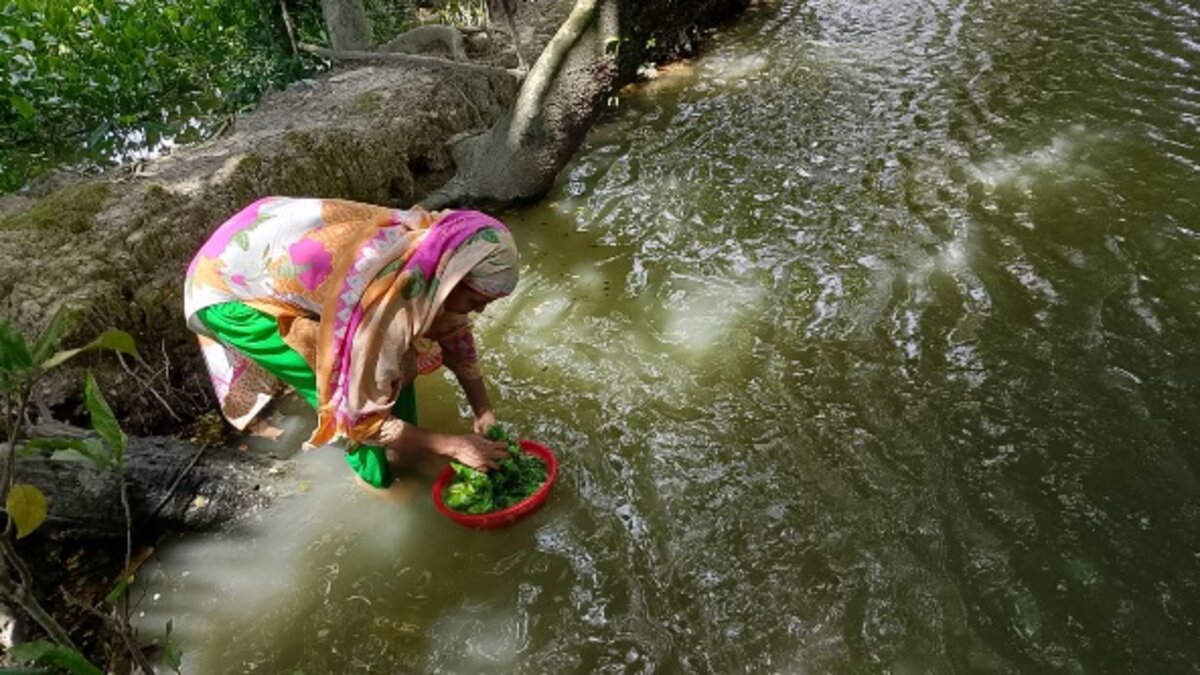
Before June 2024, Hashi and her family relied on pond water for cooking, bathing, and all household needs. Though the pond was only about 15 feet from her home, it exposed her family to frequent waterborne diseases such as diarrhea, cholera, and skin infections. Every one or two months, she spent between 4,000 and 5,000 BDT on medical expenses, an enormous financial burden given her limited income.
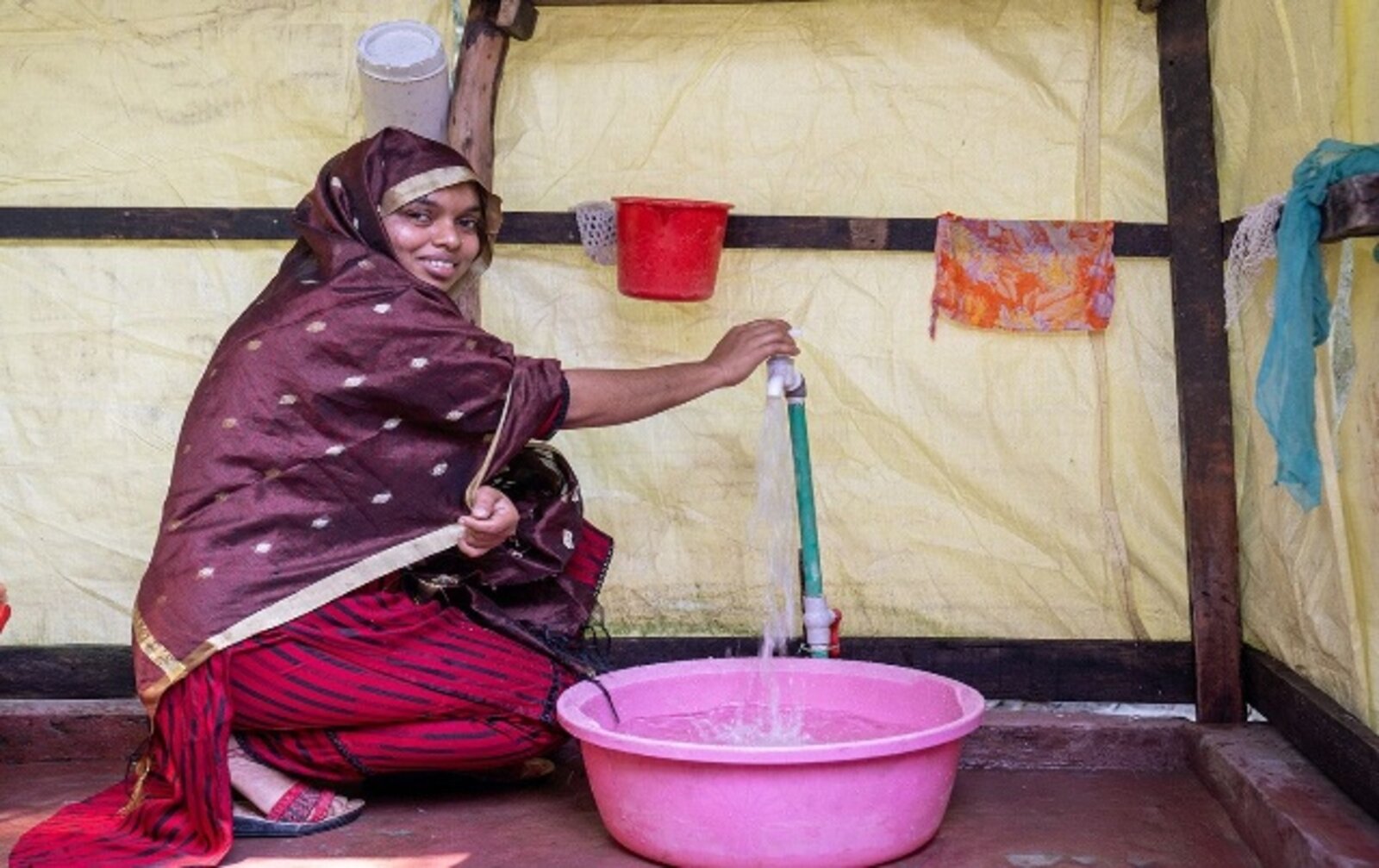
Everything changed when Hashi attended a community meeting organized by MSE and learned about the benefits of piped tap water. She made the decision to switch.
Since June 2024, access to safe tap water has transformed her family's life. Health expenses have dropped dramatically, and her children are healthier and more secure. Even more significantly, Hashi now saves two to three hours every daytime she reinvests in her family. She supports her daughters' education, tends a vegetable garden, and raises chickens and ducks, improving both household nutrition and income.
Safe water did not just reduce illnesses, it gave Hashi time, stability, and the confidence to build a better future.
A Vision Beyond Water
As MSE's leadership often reflects, the organization exists to take difficult stories and make them better. Reliable water access has led to improved infant nutrition, a significant reduction in waterborne diseases, and a drastic decrease in the time women spend collecting water. Across villages, families are building bathrooms with showers and menstrual hygiene facilities clear signs of dignity and progress.
With over a billion litres of water already piped to communities that once depended on unsafe ponds, rivers, and shallow tube wells, MSE continues to scale its impact. A new desalination plant in Khulna is expected to serve 700 households with safe drinking water, while partnerships with academia, local companies, and government aim to unlock even greater scale through public-private collaboration.
Perhaps most inspiring is the quiet but powerful shift happening in these communities: families choosing to settle permanently in their villages instead of migrating to Dhaka or other major cities. This is a Bangladeshi dream strengthened, in small but meaningful ways, by access to safe water.
Hashi Akter's story is one of thousands, each proving that when safe water flows, lives begin to thrive.
Related Stories
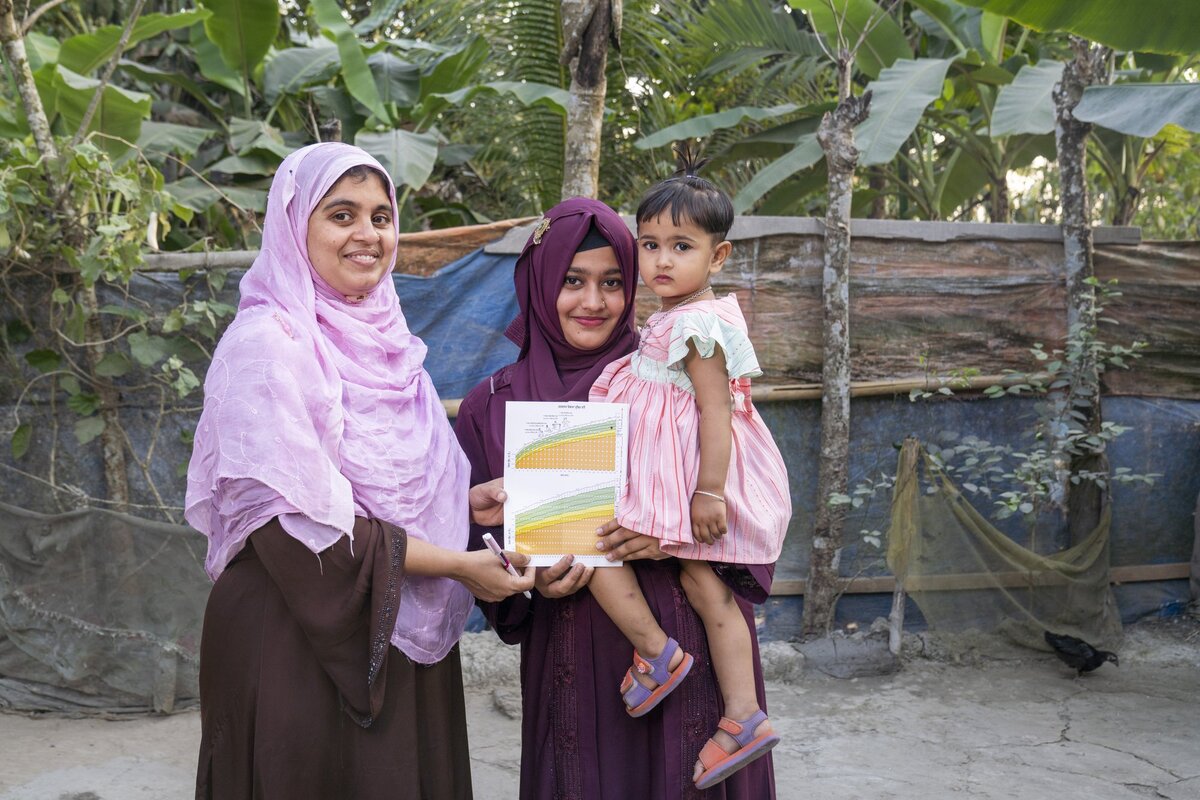
Community Women Entrepreneurs in Urban Bangladesh: What Continues After the Programme Ends
A qualitative study by BRAC James P Grant School of Public Health and Max Foundation looked at the work of entrepreneurs at active sites of the Healthy Village Urban programme in northern Bangladesh, and at areas the programme had already left. The findings were presented at ICOPH 2026 in Bali, Indonesia.
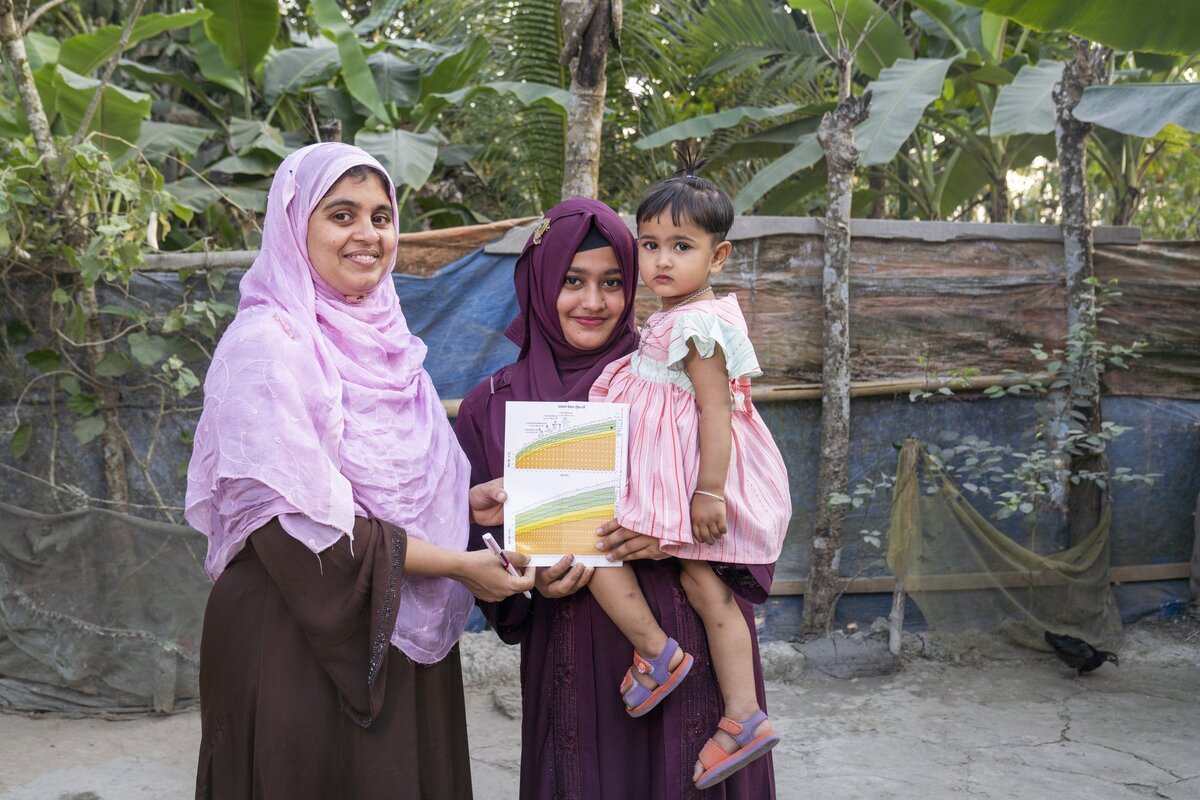
Institutionalising Innovations: Harnessing Public-Private Partnerships for Community-Based Nutrition Service Delivery
Max Foundation is working with the Institute of Public Health Nutrition (IPHN) to develop dedicated Community Nutrition Service Guidelines that anchor its market-based, entrepreneur-led delivery model in national standards.
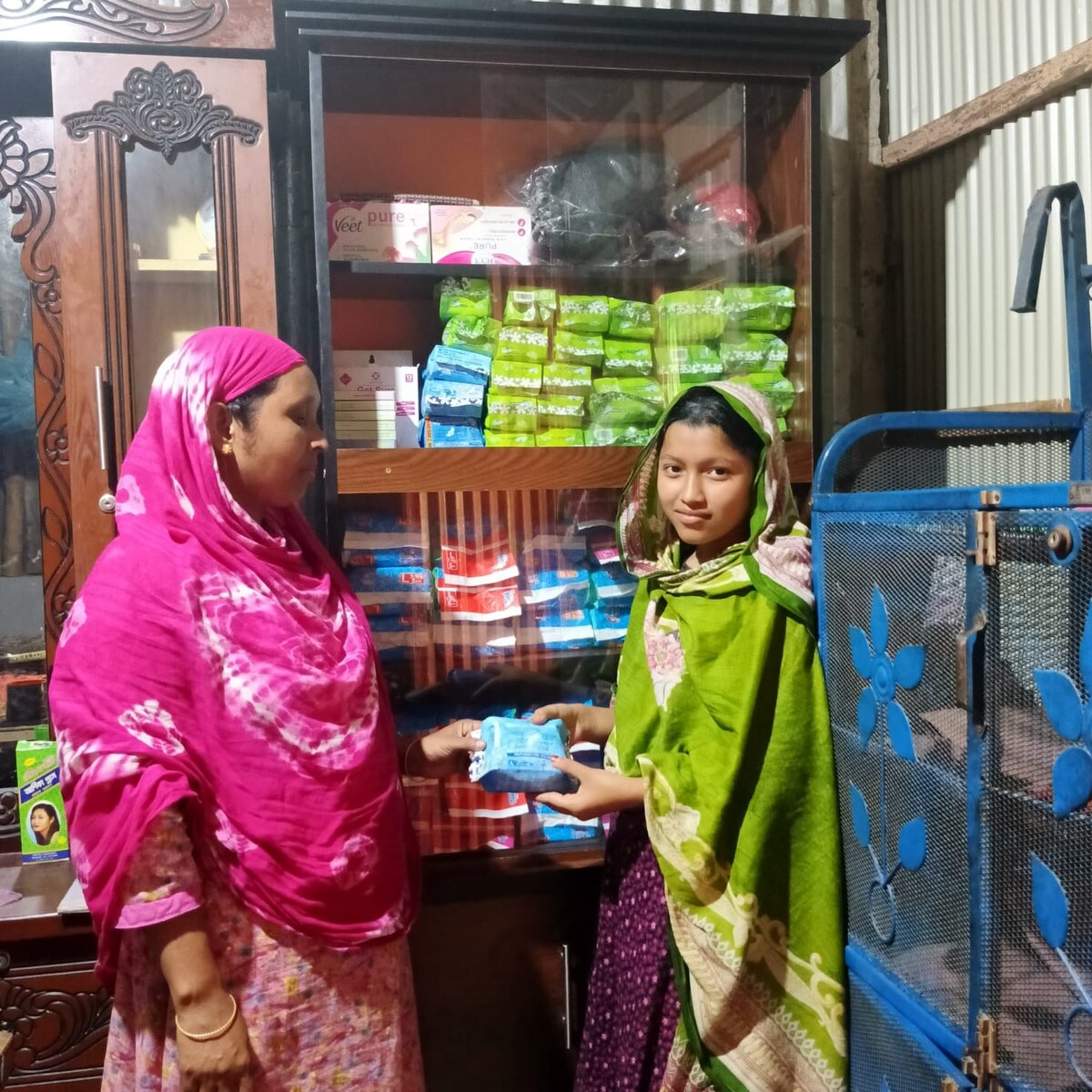
Beyond the Blueprint: The Entrepreneurship Lab Is Cultivating a Market Ecosystem for a Healthier Bangladesh
Max Foundation's Entrepreneurship Lab is a dynamic ecosystem designed to bridge the gap between a business idea and a tangible impact, empowering entrepreneurs at every level to build market-driven solutions for Bangladesh's health challenges.