
Safe Water as an Investment: Lessons from a Rural Community in Barishal
Access to safe and reliable water remains a daily struggle for many rural communities in Bangladesh. Yet, as the story of Khadiza Begum from Krishnakathi village in Barishal shows, sustainable change is possible when communities are empowered to invest in solutions that improve their own lives.
The five-year Building Water Business (BWB) Programme (2022–2026), implemented by Max Foundation with support from the Embassy of the Kingdom of the Netherlands (EKN), aims to strengthen local water enterprises and expand access to safely managed water and sanitation services. The programme envisions the creation of "Healthy Villages" through innovative, community-driven water solutions. Khadiza Begum's journey reflects how this vision is becoming reality at the household and community levels.
Life in a Water-Stressed Village
Khadiza Begum is a 45-year-old housewife living in Shikder Bari, a densely populated part of Krishnakathi village under Bharpasha Union of Bakerganj Upazila, Barishal. Although Bakerganj is historically known for its business heritage, villages like Krishnakathi face long-standing challenges related to water scarcity, poor sanitation, and seasonal flooding.
Groundwater levels in the area are extremely low, often requiring wells to be drilled up to 800 feet deep. Traditional water sources such as ponds dry up or become polluted during the dry season, while tube wells are frequently affected by iron, arsenic, and salinity. Seasonal flooding further contaminates water sources and disrupts sanitation facilities. For women like Khadiza—who bear primary responsibility for collecting water—these challenges translate into daily physical strain, time loss, and heightened health risks.
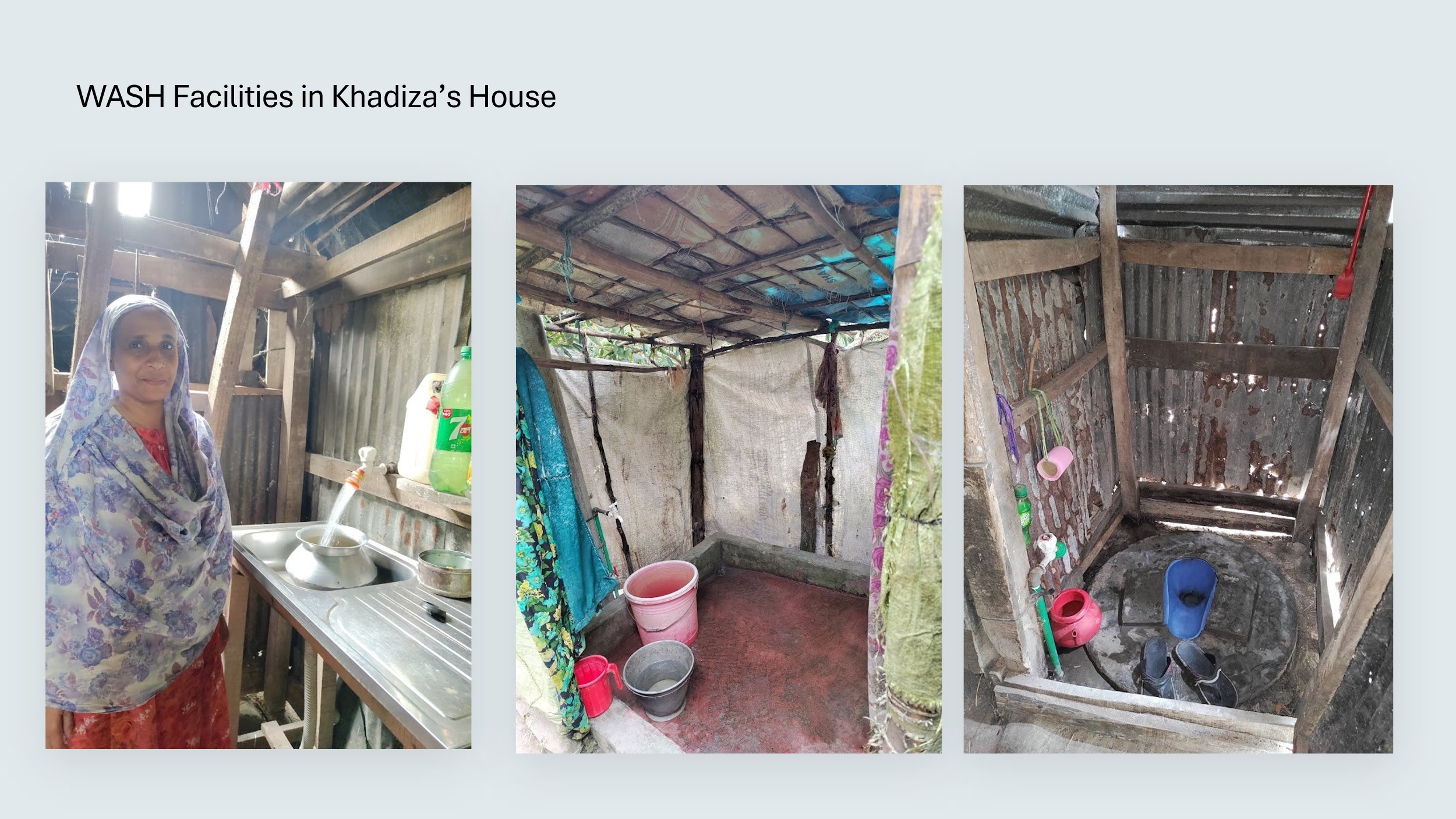
Before the intervention, Khadiza's household had no dedicated tube well or pond. The family relied on distant tube wells and a shared pond for bathing, cooking, and cleaning. During winter, these sources often dried up, and collecting drinking water became especially difficult and time-consuming. Poor access to safe water also meant inadequate hygiene practices and an increased risk of waterborne diseases.
A Turning Point through Community Engagement
Khadiza became actively involved in the BWB programme in late 2022 as a member of the Dakshin Krishnakathi Community Support Group (CSG). In January 2023, Max Foundation introduced the RAINBOWS approach to stimulate community demand for piped water solutions.
Facilitators engaged residents in open discussions about water scarcity, health risks, and the hidden costs of unsafe water. Through participatory decision-making, the community collectively voted to adopt a piped water system. Practical demonstrations helped households visualize how having running water in kitchens, toilets, and bathing areas could transform everyday life—particularly easing the burden on women.
The Community Support Group worked with facilitators to set standards for water use, hygiene, and conservation, and to map the area for a new piped water grid. BWB partner NGO Dhaka Ahsania Mission conducted courtyard sessions that reinforced the importance of safe water and demonstrated how piped connections could lead to healthier, more resilient communities.
Investing Despite Constraints
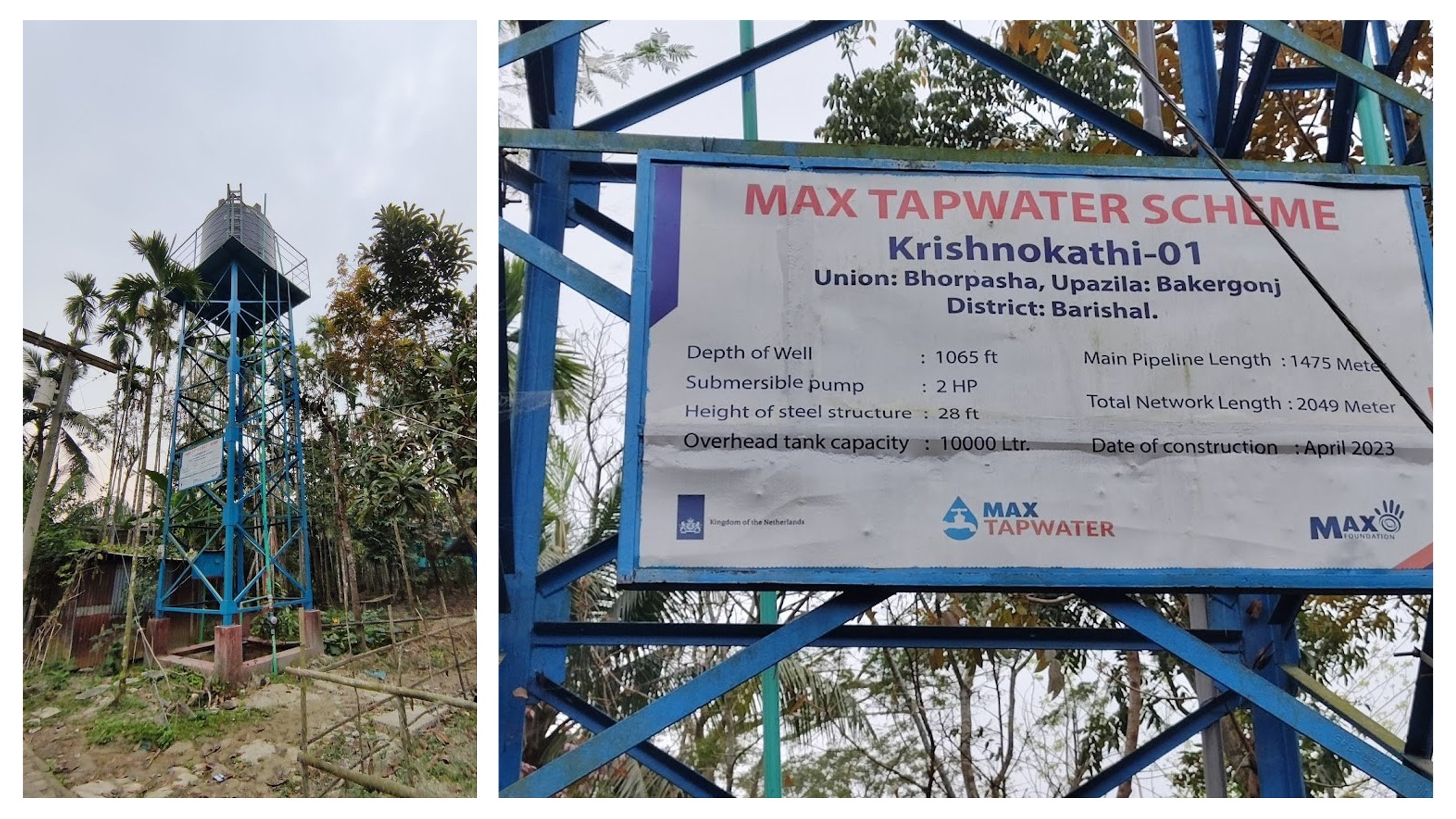
With strong community demand established, Max Social Enterprise managed the marketing, construction, and maintenance of the piped water system. Households contributed a one-time connection fee of BDT 5,000 and a monthly tariff of BDT 200–300—an affordable model even for low-income families.
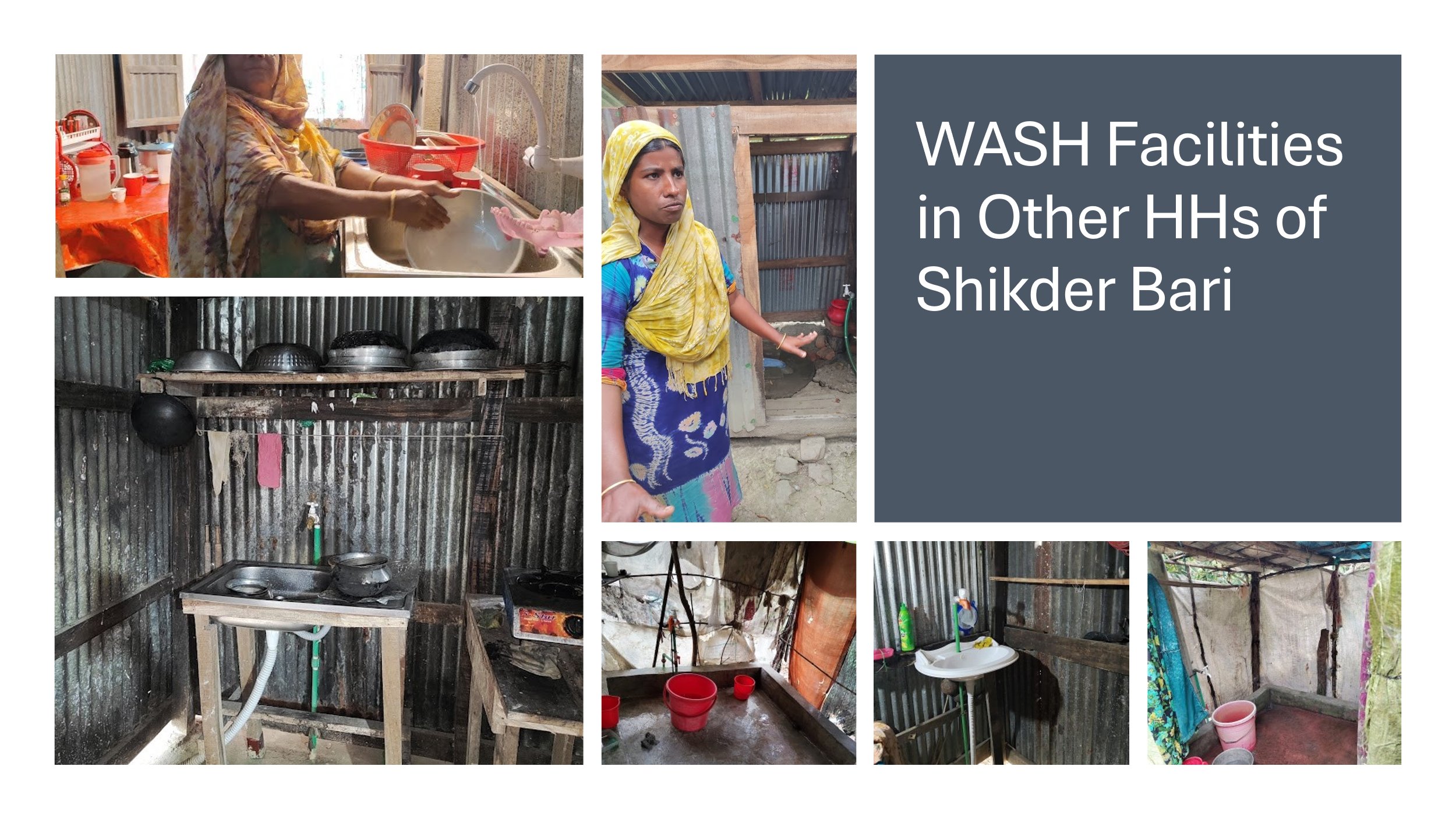
Despite limited financial means, Khadiza's family invested around BDT 20,000 in improving their WASH facilities, including a water connection, basin, and bathing chamber. This investment dramatically improved their quality of life and set a powerful example for neighbours.
Encouraged by early adopters like Khadiza, 62 households in Krishnakathi village connected to the new piped water grid. Within just 16 months, households collectively invested BDT 660,000 in upgraded toilets, basins, and bathrooms—transforming sanitation conditions across the village.
Lasting Impact and Lessons Learned
Today, families report reduced time and physical effort spent collecting water, improved hygiene practices, and lower health risks. Beyond these immediate benefits, the piped water grid has fostered a culture of community investment and long-term thinking.
Khadiza Begum's story demonstrates that poverty does not prevent communities from investing in their future. When solutions are affordable, participatory, and clearly beneficial, even low-income households are willing to commit their own resources. Peer influence, practical demonstrations, and accessible financing played a critical role in scaling adoption across the village.
A Model for the Future
The success of Shikder Bari offers a replicable model for other rural communities facing similar challenges. Khadiza's leadership, combined with the strategic approach of the BWB programme, shows how sustainable water solutions can catalyse broader improvements in health, dignity, and resilience.
Her journey stands as a powerful reminder: with the right support and opportunities, communities can drive their own transformation—one water connection at a time.
Related Stories
Community Women Entrepreneurs in Urban Bangladesh: What Continues After the Programme Ends
A qualitative study by BRAC James P Grant School of Public Health and Max Foundation looked at the work of entrepreneurs at active sites of the Healthy Village Urban programme in northern Bangladesh, and at areas the programme had already left. The findings were presented at ICOPH 2026 in Bali, Indonesia.
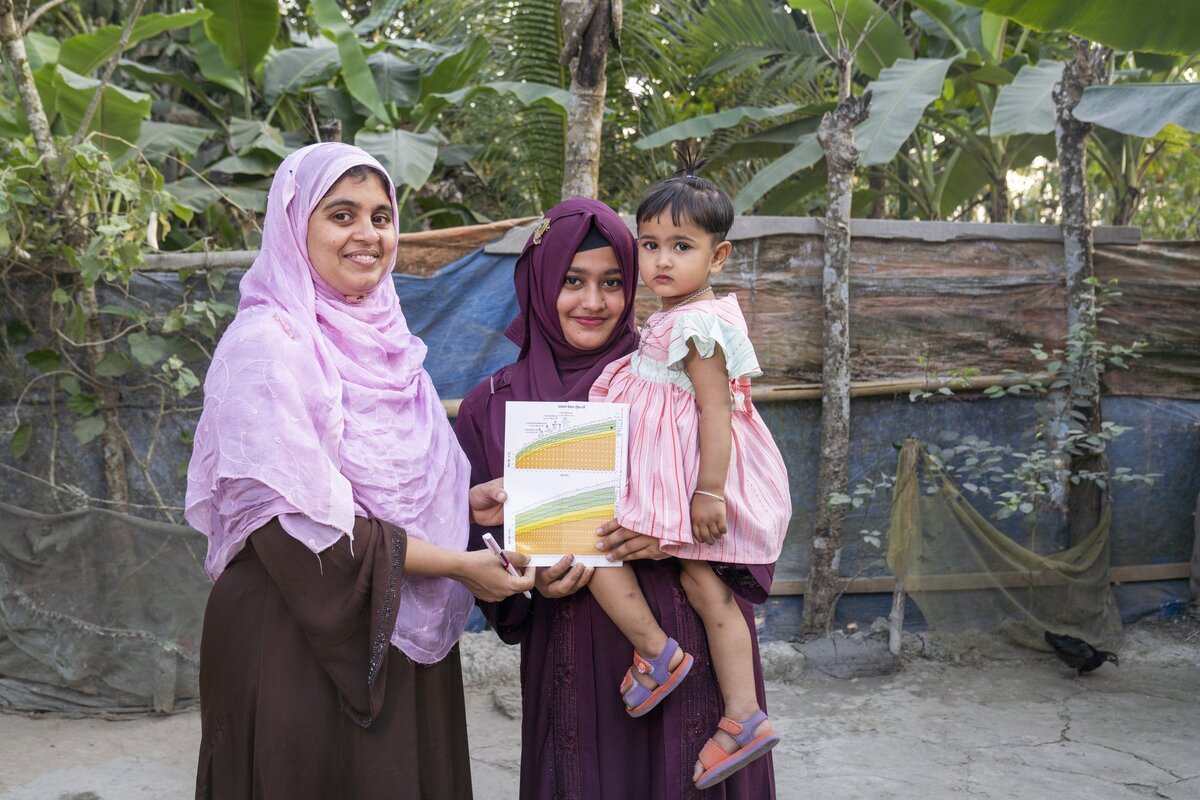
Institutionalising Innovations: Harnessing Public-Private Partnerships for Community-Based Nutrition Service Delivery
Max Foundation is working with the Institute of Public Health Nutrition (IPHN) to develop dedicated Community Nutrition Service Guidelines that anchor its market-based, entrepreneur-led delivery model in national standards.
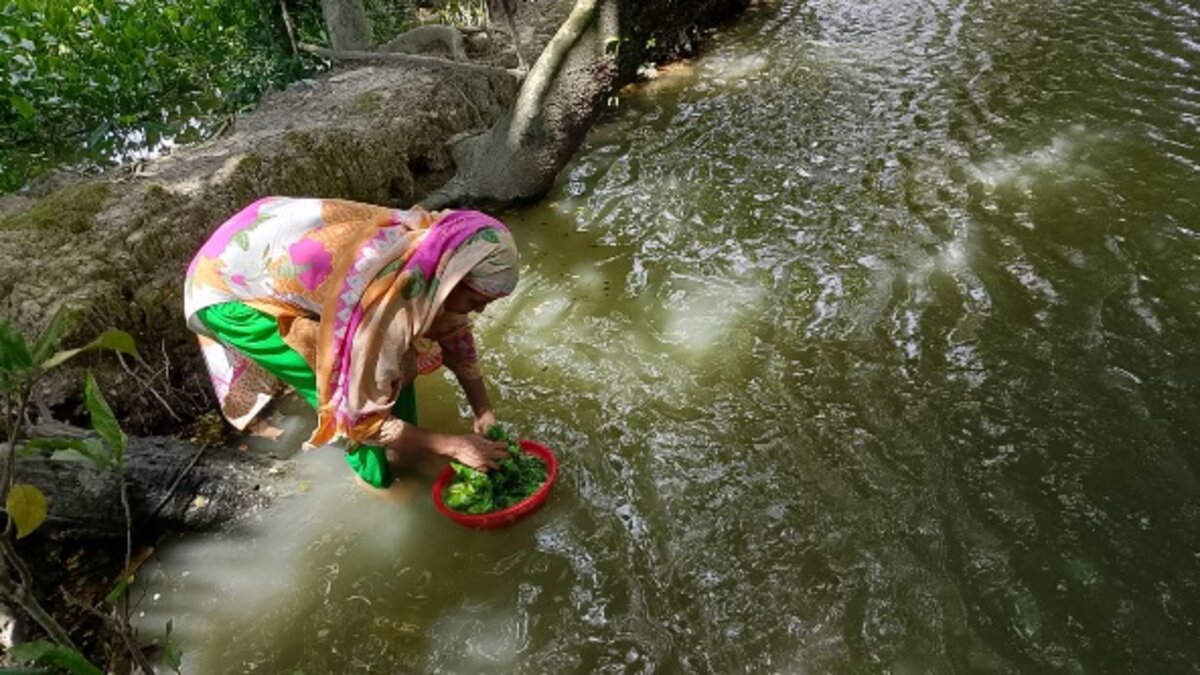
Transforming Lives Through Safe Water: How MSE Is Powering a Rural Bangladeshi Dream
Access to safe and affordable water is not just a basic necessity, it is the foundation of health, dignity, and opportunity. In Bangladesh's rural and coastal regions, Max Social Enterprise (MSE) is working to turn hardship into hope.